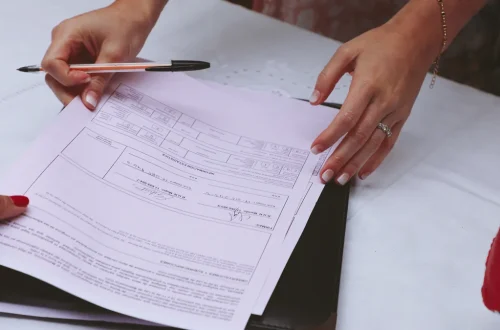
Last updated: November 19, 2026
Quick Answer: In a policy change request, the number that matters most is the effective date; if it is not confirmed in writing, do not assume the change is in force. A policy change request works only if you ask for the change, get it confirmed in writing, and verify the effective date before you assume new protection is in force. If you want to change a policy midterm without creating a gap, the key is to control the timing and the evidence, not just the wording. This guide on How to Request a Policy Change Without Losing Coverage keeps the process focused on the policy change request, the endorsement, and the effective date.
This article is information, not financial advice. Because policy rules vary by country and insurer, and your own situation can change the result, a qualified adviser should be consulted for your specific case. For general consumer guidance on policy forms and endorsements, see the National Association of Insurance Commissioners.
Who this applies to, and what you need first
This applies to a policyholder who already has an active commercial liability policy and wants a midterm change: a name update, address change, additional insured wording, a limit change, a business activity update, or another endorsement request. It assumes you already have your policy number, the current policy period, and the reason for the change.
If you are asking for a change that alters the risk itself — for example, adding a new location, a new trade, or a new product line — the request can affect pricing, terms, or even whether the insurer agrees to issue the endorsement. That does not mean you should avoid asking. It means you should treat the request like a coverage transaction, not a casual email. If the change is material, consult a professional before you submit it.
The right starting point is the current declarations page, because that is where the named insured, policy period, and basic limits are usually shown. The declarations page is not the full contract, but it gives you the identifiers you need when you contact the insurer or broker. If you do not have the policy number, ask the broker first; if there is no broker, contact the insurer’s service or underwriting team directly. For a broader context on policy changes, see the hub on commercial liability insurance endorsements and policy changes.
This process is not for someone who is trying to rewrite the policy from scratch, or for someone who has already had a loss and is trying to make coverage retroactive. Those situations need qualified help because a late request can run into underwriting rules, audit issues, or claim timing problems.
What does a policy change request actually do?

A policy change request tells the insurer to amend the current contract, usually by issuing an endorsement. An endorsement is a written change attached to the policy that becomes part of the contract once it is accepted and effective.
The distinction matters because a phone call is not the change and a draft form is not the change. The policy changes only when the insurer issues the endorsement with an effective date, and that date is the line that decides whether the old terms or the new terms apply.
The usual failure point is timing. A policyholder asks for the change, gets an email saying “received,” and assumes the coverage is altered that same day. It may not be. The insurer may need underwriting review, may ask for evidence of change, or may set the endorsement to start on a later date. If you do not check that date, you can end up with a gap between the old terms and the new ones, or with a period where the change simply has not taken effect yet. For insurer procedures, check the carrier’s service guide and the NAIC’s consumer materials.
There is also a broker issue. A broker can help prepare and submit the request, but a broker’s note is not the same thing as the insurer’s endorsement. If the broker says the request is “in progress,” that is not enough to rely on for a claim, a certificate, or a contract with a client.
The practical rule is simple: ask for the change, get the insurer’s written confirmation, and verify the effective date on the endorsement or amendment notice. If the document does not name the policy, the insured, and the effective date, it is not complete enough to rely on. If the wording is unclear, consult a professional before you act on it.
How do I request the change without creating a gap?
You request it by sending the insurer or broker a complete, dated instruction, then checking the issued endorsement before the date you need it to start. The safest order is the one that gives you the right identifiers, evidence, and effective date.
- Identify the exact policy to be changed. Include the policy number, named insured, insurer name, and policy period. Verify that the declarations page matches the policy you mean; if the dates or named insured differ, you may be looking at the wrong contract. A problem is any uncertainty about which policy the request applies to, because the insurer may process the wrong account or reject the instruction.
- State the change in plain contract language. Ask for the endorsement by describing the exact item to alter, such as a business address, an additional insured, or a limit change. Include the effective date you want, down to the day, and say whether the change is for the full remainder of the policy period or only from a specific date. If the request is vague, the insurer may default to a later date or ask for a rewrite.
- Attach evidence that supports the change. Send the document the insurer is likely to ask for: a lease, a certificate, a sales contract, updated business registration, or another proof of change. Verify that names, addresses, and dates on the evidence match the request. A mismatch — even a one-line address difference — can delay underwriting review.
- Send the request through the right channel. Use the broker if one manages the account; otherwise use the insurer’s stated service or underwriting email, portal, or form. Keep the submission time and date. A problem is sending it only by informal message to a single contact who may be out of office for 2 business days or longer.
- Ask for written acknowledgment. Request a reply that confirms receipt and says whether the change is pending review, approved, or issued. Verify that the acknowledgment repeats the policy number and requested effective date. If the response only says “received” without identifiers, the request can still be misfiled.
- Do not assume the change is active until the endorsement arrives. Read the issued endorsement or amendment notice for the effective date, the exact wording, and any premium adjustment. If the document is missing the date or shows a later start than you asked for, the request has not worked as intended. Consult a professional if the date is not what you expected.
- Check whether anything else changed at the same time. Look for altered limits, exclusions, named insured wording, or schedule changes. Verify that the rest of the policy period still matches your expectations. A problem is a “simple” change that quietly modifies another clause you did not ask to alter.
- Keep the request and the endorsement together. Save the email, form, proof documents, and issued endorsement in one place. If there is ever a dispute, the timeline matters. A missing record is a problem because you may be unable to show what was requested before the effective date.
A good result looks like this: the insurer issues an endorsement, the effective date matches the date you need, and the policy continues without a break in force. If the endorsement starts later than intended, ask immediately whether the insurer can correct the date or whether another formal request is required.
What should I check before I send it?
You should check the policy period, the wording of the change, and the evidence the insurer will need before you send anything. These checks help reduce avoidable delays.
Start with the policy period. If the policy renews in 10 days, a midterm request may be handled differently than a request made early in the term. Some changes are easy to add midterm; others may trigger underwriting review, a revised premium, or a request for further documents. If the policy is near renewal, ask whether it is better to issue the change now or fold it into the renewal process.
Next, check the exact wording you are asking for. “Update the address” is not enough if the insurer needs the physical location, mailing address, and any location-specific schedule item. “Add a client as additional insured” is not enough if the insurer needs the exact legal name and contract basis for that request. Poor wording creates avoidable back-and-forth and can slow the effective date by days.
Then check the supporting evidence. A broker or insurer may want a lease, contract, invoice, business registration, or other document before the endorsement is issued. If the evidence is dated after the change you want, that can be a problem. In coverage work, the date of the evidence often matters as much as the content.
For authoritative background, the National Association of Insurance Commissioners explains the consumer role of insurance policy forms and endorsements, and many insurers publish endorsement request procedures in their service guides. If your request affects regulated terms, a local adviser can help interpret the process for your jurisdiction, because rules differ by country and by line of business. See also the NAIC and your insurer’s published service guide.
When should I stop and get qualified help?
You should stop and get qualified help when the change is bigger than a routine administrative update or when timing could affect a live claim. In those situations, the risk is not just delay; it can be an uncovered period, an unintended contract change, or a dispute over whether the insurer agreed at all.
A loss has already happened: The change may be too late to affect the claim — ask a qualified adviser or the insurer’s claims team before sending a retroactive request.
The insurer asks for a signed statement about the risk: You may be entering underwriting territory, not simple administration — get help if you are unsure how the statement affects terms.
The change involves a new location, new work, or new operations: The insurer may need a full review — do not assume the old policy structure still fits the risk.
The broker says “it should be fine” but no endorsement has issued: Informal reassurance does not change the contract — wait for written confirmation or escalate the request.
The effective date matters within 24 to 72 hours: A short deadline leaves little room for corrections — use the insurer’s formal process and confirm receipt the same day.
The request could affect another party’s rights, such as a lender or contract counterparty: The wording may need to match outside obligations — get the wording checked before you rely on it.
These are not situations for guesswork. A delay of one business day can be enough to create a gap if the change is supposed to start at 12:01 a.m. on a specific date.
What mistakes do people make most often?
The most common mistake is treating the broker’s acknowledgment as proof that coverage has changed. That can leave a gap if the insurer has not issued the endorsement yet. The correct alternative is to wait for the written endorsement and verify the effective date. If you are unsure whether the acknowledgement is enough, consult a professional.
Another mistake is sending incomplete evidence. If the insurer needs a lease dated 1 April and you send an unsigned draft, the file may stall. The consequence is usually delay, but it can also push the change past the date you needed. The fix is to send the exact document the request calls for, with every page attached.
A third mistake is asking for the change too late in the policy period and assuming it can be backdated automatically. It often cannot. The consequence can be a period where the old wording still applies. The correct alternative is to ask as soon as the change is known and to state the date the change should start.
A fourth mistake is not checking the endorsement wording. People look only at the premium or the first page and miss a changed address, named insured, or schedule entry. The consequence is a quiet mismatch between what was requested and what was issued. The fix is to read the full endorsement, not just the cover note.
A fifth mistake is failing to keep the original request. If a dispute arises, you need the email or form that shows what was requested and when. The consequence of losing that trail is weak proof. The correct alternative is to save the submission, acknowledgment, and issued endorsement together.
A final mistake is using generic language for a special situation. If the request involves a lease requirement, lender wording, or a deadline in a contract, generic wording may not satisfy the other party. The consequence is a reissue. The fix is to match the request to the outside requirement before you send it.
What if the standard process does not fit?
The standard process needs adjustment when the change is urgent, when the request is tied to another contract, or when the insurer requires underwriting review before it will issue the endorsement. In those cases, the usual “email and wait” approach is too slow.
If the change must take effect on the same day, ask the broker or insurer what time the endorsement will start and whether the office cuts off same-day processing. Some changes can start at 12:01 a.m. on a chosen date; others cannot be backdated once the day has passed. If the insurer cannot confirm the effective date in writing before the deadline, assume the request is still not complete.
If the request is tied to a contract requirement, the wording may need to match that contract exactly. For example, a certificate request, lease clause, or lender requirement may ask for a very specific additional insured phrase or schedule reference. If the insurer cannot issue the wording as requested, the standard path may not work, and you may need the broker to negotiate an acceptable alternative.
If the policy is a renewal window away — say, within 30 days — ask whether the insurer wants the change processed now or at renewal. Some changes are easier and cleaner to handle at renewal because the insurer can apply them to the next policy period instead of rewriting the current one. That may avoid a midterm premium adjustment, but it can also leave the old wording in place until renewal, so the date matters.
A short rule for the effective date
The effective date is the date that decides whether the old policy wording or the new wording applies. If that date is missing, unclear, or later than you expected, do not treat the change as complete. If in doubt, consult a professional before relying on the new wording.
That rule is the heart of the whole process. It is also why the request, the evidence, and the endorsement all need to match. If one says Monday and another says Wednesday, the file is not finished. Ask for the correction before you rely on the change.
Key takeaways
- A policy change request only protects you if it is specific, dated, and confirmed in writing.
- The endorsement, not the email thread, is what changes the contract.
- The effective date is the point that prevents or creates a gap.
- Supporting documents matter because they show why the insurer should approve the change.
- If timing is tight
Drafted with AI; not yet reviewed by a person.